Why I built it
I was overwhelmed by information, and much of it didn't matter for the task in front of me.
Andrej Karpathy's "LLM Wiki" idea fit that problem: an AI reads your sources and keeps a wiki of linked pages up to date. I set up my own version in July 2026, in plain files I can check.
Three layers
Notes, handover documents and web clips. Saved once, never edited, so there is always a record of what was said.
Pages about ideas and projects. The AI writes and links them; I decide what matters.
One file both of us follow: folder structure, page format, workflows, and what the AI may never do.
Five commands
ingestRead a new source, discuss it with me, then update every page it touchessyncPull changes from notes I'm still editingqueryAnswer from the wiki, linking to where each fact came fromlintFind contradictions, stale claims and orphan pageshotcacheSave a short summary of where we left offHow it changed my workflow
When I join a project, I start from the handover documents. One ingest turns each one into linked wiki pages and updates every page it touches.
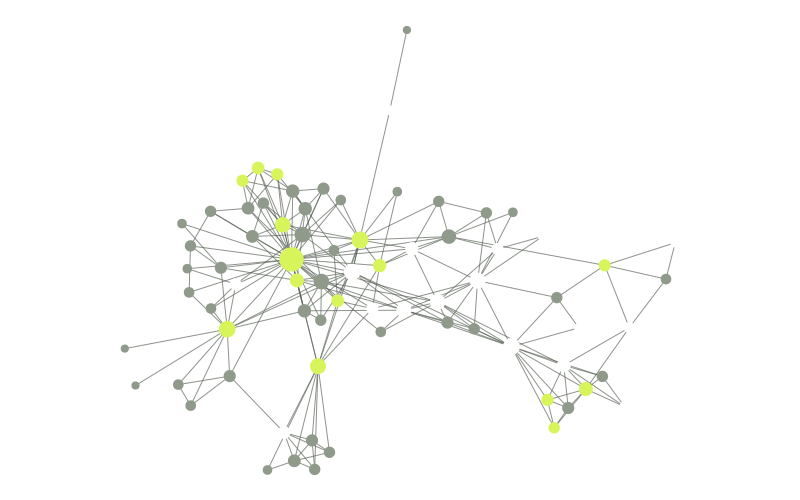
When I need a fact or a decision, I ask the vault. The answer links to the pages it came from, and Obsidian's graph view shows how they connect. I don't paste the same context into every chat.
At the end of a session, hotcache saves where I left off, and the next session starts from there.
Rules I set for the AI
- Never invent facts. If a source is unclear, ask me.
- Never edit a source. Sources are the record.
- Flag contradictions instead of overwriting them.
- Log every change, so I can see what happened and when.
What I learned
The AI is only as good as the rules, and it can be confidently wrong. Every claim links to its source, and I check it before I use it.